Fatmallina Font: Modern Script Typography for Web Design
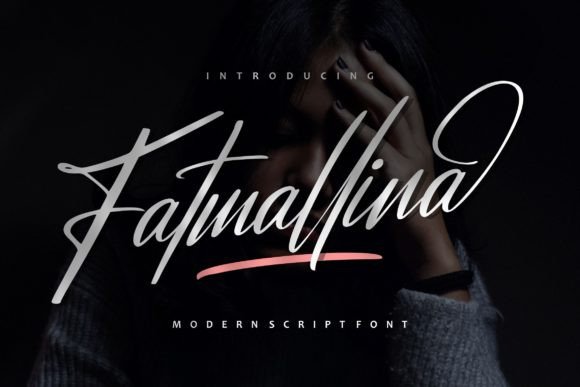
Selecting the right typeface is one of the most critical decisions in digital product design. As web designers and UI creators, we understand that typography does more than display text; it establishes tone, guides user behavior, and reinforces brand identity. Fatmallina is a modern script font that bridges the gap between artistic expression and digital functionality. Unlike traditional calligraphy that can feel dated or overly ornate, Fatmallina offers a sleek, contemporary aesthetic that integrates seamlessly into responsive web layouts. Its balanced proportions make it an excellent choice for designers seeking to add sophistication to landing pages, e-commerce platforms, and digital branding without sacrificing usability.
Digital Readability and Visual Hierarchy
In the context of web design, readability is paramount. Script fonts often struggle on screens due to intricate details that blur at smaller sizes or low resolutions. Fatmallina addresses this challenge with clean vector lines and optimized spacing. The letterforms are distinct enough to remain legible in hero sections and banner overlays, yet fluid enough to convey the personal touch associated with handwritten typography. This balance is essential for maintaining a strong visual hierarchy. When users scan a webpage, their eyes are naturally drawn to contrast and unique shapes. Using Fatmallina for primary headlines creates an immediate focal point, signaling to the user that this content is distinct from standard body copy.
For conversion-focused layouts, clarity drives action. A font that is too difficult to read increases cognitive load, potentially causing users to bounce before engaging with your call-to-action. Fatmallina’s simplified curves ensure that key messages—such as value propositions or seasonal offers—are processed quickly. This makes it particularly effective for SaaS founders and creative entrepreneurs who need their digital presence to feel both premium and accessible. The typeface supports a rhythm that allows the eye to move smoothly from the decorative header down to the functional sans serif body text, creating a cohesive user experience across desktop and mobile viewports.
Strategic Applications in Web Layouts
Versatility is a key metric when evaluating design assets for client projects or internal products. Fatmallina performs exceptionally well in specific digital environments where personality needs to coexist with professionalism. Consider the following practical applications for this modern script:
- Hero Sections and Landing Pages: Use Fatmallina for the main H1 or value proposition to create an emotional connection immediately. Its modern flair works well against solid colors or subtle gradients, ensuring the text pops without competing with background imagery.
- Boutique E-Commerce Banners: For online stores selling handmade goods, fashion, or lifestyle products, this font adds a layer of artisanal quality. It elevates product category headers and promotional badges, making the shopping experience feel curated rather than transactional.
- Portfolio and Personal Brand Sites: Photographers, coaches, and consultants benefit from the approachable yet polished nature of Fatmallina. It humanizes digital interfaces, making personal brands feel more authentic and trustworthy.
- Digital Course Sales Pages: Trust is the primary currency in education marketing. Using a refined script for testimonial highlights or module titles breaks up dense sales copy and adds visual interest that maintains engagement through long-form content.
- Social Media Graphics and Ads: Consistency across platforms strengthens brand recall. Fatmallina scales effectively for Instagram stories, Pinterest pins, and Facebook ad creatives, ensuring your visual identity remains intact regardless of the canvas size.
Font Pairing and Editorial Balance
No typeface exists in isolation. Successful web typography relies on effective pairing to create contrast and structure. Because Fatmallina possesses a strong personality as a display font, it requires a supportive partner for body copy and UI elements. Pairing it with a neutral sans serif font like Inter, Roboto, or Open Sans is often the safest and most effective strategy for digital interfaces. The geometric simplicity of a modern sans serif provides a stable foundation that allows Fatmallina’s curves to shine without overwhelming the layout. This combination ensures that while the headers feel expressive, the navigation, buttons, and paragraphs remain strictly utilitarian and highly readable.
For projects requiring a more editorial or luxury aesthetic, consider pairing Fatmallina with a high-contrast serif font. This combination evokes the feel of high-end fashion magazines or premium lifestyle blogs. However, caution is necessary here; ensure there is sufficient distinction between the script and the serif to avoid visual muddiness. In all pairings, pay close attention to vertical rhythm and line height. Script fonts often have taller ascenders and deeper descenders than standard typefaces, so adjusting line spacing in CSS is crucial to prevent overlapping lines in responsive containers. Testing these pairings across various screen widths is non-negotiable to maintain integrity in your design system.
Technical Considerations for Responsive Design
Implementing decorative typography on the web requires technical diligence. While Fatmallina is designed for modern use, designers must account for variable rendering environments. On mobile devices, screen real estate is limited, and complex scripts can become illegible if scaled down too aggressively. Establish minimum font-size thresholds for script usage; if Fatmallina drops below 24px on mobile, consider switching to a simpler alternative or increasing the weight to preserve stroke clarity. Additionally, test the font against both light and dark backgrounds. Thin strokes in script fonts can disappear against dark modes unless properly weighted or given a subtle text shadow to enhance contrast ratios for accessibility compliance.
File format and loading performance also play a role in user experience. Ensure you are serving web-optimized formats like WOFF2 to minimize page load times, as heavy font files can negatively impact Core Web Vitals. Check the included character set and language support to confirm Fatmallina covers all necessary glyphs for your target audience, especially for multilingual sites or brands using special characters in their messaging. Utilizing OpenType features, such as stylistic alternates or ligatures, can further customize the look, preventing repetitive letterforms in longer phrases and adding a bespoke quality to your digital headers.
Licensing and Commercial Viability
Professional web design extends beyond aesthetics to include legal and commercial viability. Before deploying Fatmallina in any digital product, verify the licensing terms specifically for web embedding and commercial use. Standard desktop licenses often do not cover @font-face usage on live websites or within digital templates sold to clients. Securing the appropriate webfont license protects both the designer and the client from future compliance issues. For agencies and freelancers managing multiple client sites, understanding whether the license is per-domain, per-pageview, or unlimited is essential for accurate project scoping and budgeting.
Ultimately, Fatmallina represents a valuable asset in the modern designer’s toolkit. It solves the common problem of needing a script font that feels current rather than nostalgic. By prioritizing readability, strategic placement, and technical best practices, designers can leverage this typeface to build digital experiences that are visually compelling and functionally robust. Whether crafting a high-conversion landing page, a sophisticated brand identity, or an engaging content platform, Fatmallina provides the typographic nuance necessary to elevate digital projects above the noise of generic web design. Its blend of style and simplicity ensures it remains a relevant choice for forward-thinking creators focused on meaningful user engagement.