Happy Desire Font: Elevating Digital Campaigns
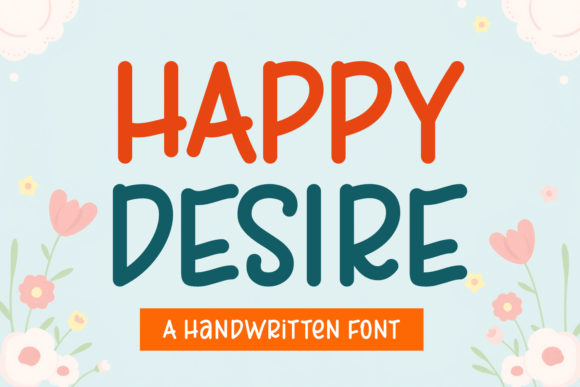
In the fast-paced world of digital marketing, capturing attention within milliseconds is the primary objective. As content creators and social media managers, we understand that typography is not merely about legibility; it is a critical component of visual storytelling and brand personality. Happy Desire is a handwritten font that bridges the gap between casual authenticity and professional design execution. Its playful, breezy charm offers a unique solution for marketers seeking to humanize their digital presence without sacrificing visual impact. When integrated strategically into campaign graphics, this typeface transforms standard promotional content into scroll-stopping visuals that resonate on an emotional level with target audiences.
The Psychology of Playful Typography in Marketing
Modern consumers are increasingly skeptical of overly polished, corporate aesthetics. There is a growing demand for brands that feel accessible, genuine, and relatable. Happy Desire serves as a powerful tool in this context because its smooth, flowing strokes mimic natural handwriting while maintaining the consistency required for professional brand identity. Unlike rigid display fonts, this script amp category typeface introduces a sense of movement and spontaneity that static images often lack.
From a psychological perspective, rounded and organic letterforms are perceived as friendlier and more trustworthy than sharp, geometric alternatives. When used in social media graphics or email headers, Happy Desire signals approachability. This makes it particularly effective for lifestyle brands, personal coaching services, creative portfolios, and community-driven campaigns. The font’s lively energy acts as a visual cue, telling the audience that the content following is engaging, personal, and worth their time. By leveraging this inherent warmth, marketers can soften sales messages and increase engagement rates on platforms where users are conditioned to ignore overt advertising.
Strategic Applications Across Digital Platforms
Versatility is essential for any premium font in a marketer's toolkit. Happy Desire excels across various digital touchpoints because its weight and flow remain distinct even at smaller sizes. Understanding where and how to deploy this creative font ensures maximum ROI on your design assets.
- Social Media Graphics: On Instagram and Pinterest, where visual density is high, Happy Desire works exceptionally well as a headline overlay. Its distinctive character shapes prevent it from blending into busy backgrounds, ensuring your message stands out in crowded feeds.
- YouTube Thumbnails: Thumbnails require instant readability at small scales. Using this handwritten font for short, punchy keywords (e.g., "New Vlog," "My Routine," "Big Sale") creates a focal point that feels personal rather than clickbaity, potentially improving click-through rates.
- Email Marketing Headers: Inbox fatigue is real. Replacing standard sans serif subject lines or header images with Happy Desire can disrupt the monotony of promotional emails, signaling a special announcement or a personalized note from the founder.
- Digital Ads and Banners: In paid advertising, ad fatigue sets in quickly. Rotating creatives that feature this breezy script font can refresh campaign performance by introducing a new visual texture that contrasts with previous iterations.
- Reels and TikTok Covers: Consistency in video cover art builds channel recognition. Happy Desire provides a cohesive stylistic thread that ties disparate video topics together under a unified brand aesthetic.
Optimizing Readability and Visual Hierarchy
While aesthetic appeal is important, functionality drives conversion. A common pitfall with script fonts is poor legibility on mobile devices. Happy Desire avoids this issue through its balanced stroke width and open counters, but strategic application is still necessary. For optimal results in marketing communication, reserve this typeface for headlines, callouts, logos, and short phrases. Avoid using it for body copy or lengthy captions, as extended reading in handwritten styles causes cognitive strain.
Effective font pairing is crucial for maintaining clarity. Combine Happy Desire with a clean, neutral sans serif font like Montserrat or Open Sans for supporting text. This contrast establishes a clear visual hierarchy: the script draws the eye to the primary value proposition or hook, while the sans serif delivers the details efficiently. Alternatively, pairing it with a classic serif font can elevate the mood for editorial design or luxury product launches, adding a touch of sophistication to the playful base. This duality allows the font to adapt to different campaign tones, from fun summer sales to elegant webinar invitations.
Real-World Campaign Scenarios
To visualize the practical utility of Happy Desire, consider these specific marketing applications:
- Seasonal Product Launches: Use the font to create a "Coming Soon" teaser graphic. The handwritten style builds anticipation and intimacy, making followers feel like insiders receiving a personal invitation rather than a mass advertisement.
- Inspirational Quote Cards: For engagement-focused content, overlay motivational quotes in Happy Desire against textured backgrounds. The organic flow reinforces the sincerity of the message, encouraging shares and saves which boost algorithmic visibility.
- Flash Sale Announcements: Instead of aggressive bold caps, use Happy Desire for phrases like "Treat Yourself" or "Limited Edition." This reframes the purchase as an act of self-care or exclusive opportunity rather than a transactional demand.
- Webinar and Event Banners: Personal branding relies on connection. Using this font for speaker names or event titles on landing pages reduces friction and makes the event feel more conversational and less academic.
Licensing and Commercial Compliance
For marketing specialists and agency teams, understanding licensing is non-negotiable. Before deploying Happy Desire in client campaigns, merchandise, digital products, or paid advertisements, always verify the specific commercial license terms. Fonts categorized under Script Amp or similar marketplaces often have tiered licensing structures. A personal use license typically does not cover commercial brand work, template creation for resale, or large-scale ad spend. Ensuring proper licensing protects your brand and clients from legal risks while supporting the type designers who create these valuable assets. Treat font licensing with the same rigor as image rights management to maintain professional integrity and operational safety.
Enhancing Brand Recognition Through Consistency
Ultimately, the goal of incorporating Happy Desire into your design system is to build lasting brand equity. Typography is one of the most consistent identifiers of a brand, often recognized before color or logo marks. By establishing this handwritten font as a core element of your visual language, you create a proprietary look that competitors cannot easily replicate. Whether applied to packaging design, web design, or social templates, the consistent use of this breezy, energetic typeface reinforces brand recall. Over time, audiences will associate the specific rhythm and flow of Happy Desire with your brand’s unique voice, turning passive viewers into engaged community members. In a digital landscape saturated with generic templates, investing in distinctive typography is a strategic move toward sustainable audience growth and meaningful engagement.