Rose Chocolate Font: Handwritten Charm for Business Branding
As a small business owner, I know that every visual touchpoint matters. From the logo on my website to the thank-you note tucked into a shipping box, typography sets the tone for how customers perceive my brand. Finding a typeface that balances personality with professionalism is often the hardest part of building a brand identity. This is where the Rose Chocolate font becomes an invaluable asset. As a handwritten script within the Script Amp category, it offers a genuine, organic feel that mass-produced fonts simply cannot replicate. For entrepreneurs running boutiques, bakeries, coaching services, or handmade shops, this font provides a way to infuse warmth and authenticity into commercial materials without sacrificing legibility.
Defining the Personality of Rose Chocolate
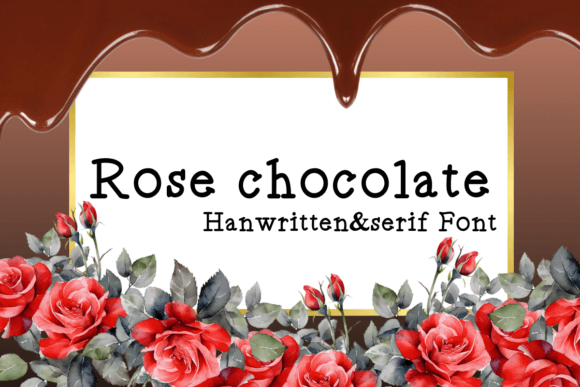
Rose Chocolate is not just another decorative font; it is a tool for storytelling. Its style mimics natural handwriting, featuring fluid strokes and a rhythmic baseline that feels personal yet polished. Unlike rigid display fonts, it carries an emotional weight that resonates with customers looking for human connection. The mood is soft, inviting, and slightly nostalgic, making it ideal for brands that want to appear approachable rather than corporate. When you use this creative font, you are signaling to your audience that there is a real person behind the business. It works exceptionally well for industries rooted in care, craftsmanship, and lifestyle, such as beauty, wellness, artisanal food, and independent retail.
Elevating Packaging and Product Labels
Packaging is often the first physical interaction a customer has with your product, and Rose Chocolate excels in this space. For a handmade candle maker, using this script font on a minimalist label can instantly communicate luxury and artisanal quality. The organic curves contrast beautifully against clean, matte paper or glass jars. Similarly, boutique owners can use it for clothing tags or jewelry cards to add a bespoke touch. However, practical application requires attention to scale. While Rose Chocolate is beautiful, intricate scripts can become illegible if printed too small. I always recommend testing print sizes on actual packaging prototypes before committing to a full production run. Ensure that essential information like ingredients or pricing remains crisp, using Rose Chocolate for the product name or tagline while keeping regulatory text in a simple sans serif font.
Creating Consistency Across Digital Touchpoints
In the digital age, your font needs to perform as well on a mobile screen as it does on printed cardstock. Social media graphics and website banners are prime real estate for Rose Chocolate. On Instagram or Pinterest, this handwritten font acts as a visual hook in thumbnails and story overlays. Because it has distinct character shapes, it stands out in crowded feeds where generic bold sans serifs often blend together. For a café or bakery, using Rose Chocolate for daily special announcements creates a cohesive look that matches the in-store chalkboard aesthetic. Web designers can utilize it for hero section headlines or call-to-action buttons to soften the user experience. Just remember that web performance matters; ensure the font file is optimized so it loads quickly without causing layout shifts on your site.
Strategic Font Pairing for Professional Results
One of the most common mistakes I see entrepreneurs make is overusing a script font. To maintain a professional brand identity, Rose Chocolate should be treated as a seasoning, not the main course. Effective font pairing is crucial for readability and hierarchy. Here are three reliable combinations for small businesses:
- The Modern Minimalist: Pair Rose Chocolate with a geometric sans serif font like Montserrat or Lato. Use the script for logos and headers, and the sans serif for body copy and navigation. This creates a clean, contemporary look suitable for tech-adjacent creatives or modern e-commerce.
- The Classic Elegant: Combine Rose Chocolate with a traditional serif font like Playfair Display or Merriweather. This pairing evokes heritage and trust, perfect for wedding planners, high-end skincare, or literary brands.
- The Friendly Functional: Match the script with a rounded sans serif or a highly readable monospace font for price lists and menus. This keeps the vibe casual and accessible, ideal for coffee shops, pet groomers, or children’s products.
By anchoring Rose Chocolate with a stable supporting typeface, you ensure your marketing materials remain accessible to all customers, including those with visual impairments or reading difficulties.
Practical Applications for Customer-Facing Materials
Beyond logos and websites, Rose Chocolate shines in the details that build customer loyalty. Handwritten fonts are naturally suited for greeting cards, gift notes, and stickers. When a customer receives a package with a "Thank You" sticker in Rose Chocolate, it feels like a personal message rather than a stamped formality. For service providers like coaches or consultants, using this font in email signatures or digital workbooks adds a layer of intimacy to remote interactions. Restaurant and café owners can leverage it for menu headings to guide the eye toward signature dishes or seasonal specials. In each of these instances, the font serves a functional purpose: it directs attention and evokes emotion simultaneously.
Navigating Commercial Licensing and Usage Rights
Before integrating any premium font into your business assets, verifying licensing is non-negotiable. As an entrepreneur, you must distinguish between personal and commercial use. A license that allows for personal diary entries may not cover selling t-shirts, creating client templates, or printing 500 product boxes. Always check the specific terms provided by the foundry or marketplace where you acquired Rose Chocolate. Look for clauses regarding merchandise, digital downloads, and client work. If you plan to use the font in a logo that will be trademarked, you may need an extended or exclusive license. Respecting intellectual property protects your business from legal issues and supports the type designers who create these valuable tools. Proper licensing is a hallmark of a professional, ethical business operation.
Testing Before Committing to a Rebrand
Adopting a new typeface is a significant decision. I advise against rebranding solely based on how a font looks in a preview window. Create mockups of your actual business materials. Print a business card to check tactile feel and ink spread. View your website banner on both a desktop monitor and a smartphone to assess responsiveness. Ask trusted peers or existing customers for feedback on readability and tone. Does Rose Chocolate align with your current brand voice, or does it clash? Sometimes a font is beautiful but wrong for the specific niche. Taking the time to validate your choice ensures that when you do launch, your brand looks consistent, trustworthy, and intentionally designed. This deliberate approach transforms a simple font selection into a strategic business advantage that pays dividends in customer recognition and loyalty.