Sintiya Font: Elevating Small Business Brand Identity
I still remember the exact moment I realized my candle business had a typography problem. I was standing at a local craft market, watching potential customers pick up my soy candles, read the label for a split second, and then put them back down. The product smelled amazing, and the wax was perfectly poured, but something felt off. My labels looked homemade in the wrong way. They lacked the polish and warmth that my brand actually embodied. That afternoon, I stopped focusing solely on scent profiles and started obsessing over typefaces. That search led me to Sintiya, a bold and expressive handwritten font that completely transformed how my business presents itself to the world.
Finding Personality in a Digital Marketplace
As small business owners, we often wear every hat. We are the product developers, the photographers, the customer service reps, and the designers. When I first started designing my own labels, I relied on free, generic script fonts that everyone else was using. The result was a brand identity that felt invisible. I needed a typeface that felt human but professional, something that bridged the gap between a personal note and a premium retail product.
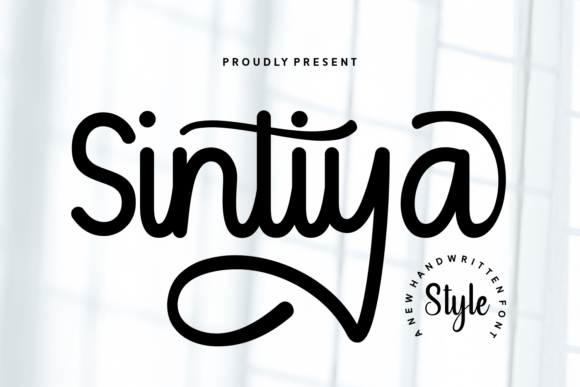
Sintiya caught my eye because it didn't look like a computer-generated imitation of handwriting. It has a contemporary style with flowing curves and unique swashes that feel intentional rather than messy. In the crowded category of Script Amp fonts, it stands out because it balances artistic expression with commercial legibility. When I typed my signature scent names into this font, they suddenly looked like they belonged on a boutique shelf rather than a kitchen counter. It wasn't just about aesthetics; it was about communicating value through modern typography.
Transforming Packaging and Product Labels
The most immediate impact of switching to Sintiya was on my physical packaging. For a candle seller, the label is the primary salesperson. I used this display font for the product names—"Amber & Sage," "Wild Fig," "Coastal Driftwood"—while keeping the technical details in a clean sans serif font. This font pairing created a visual hierarchy that guided the customer’s eye exactly where I wanted it to go.
Because Sintiya is a bold handwritten font, it holds up beautifully on textured paper and matte finishes. Thinner scripts often get lost when printed on kraft paper or recycled materials, but the substantial weight of Sintiya ensures readability even at smaller sizes. I also utilized the alternate characters included in the file to customize specific labels so they didn't look repetitive across my entire collection. This level of detail turned simple glass jars into cohesive design assets that customers wanted to keep and reuse.
Creating Consistency Across Social Media and Web
Once the packaging was sorted, I realized my Instagram grid looked disjointed compared to my new unboxing experience. Typography affects first impressions instantly, especially on mobile screens where thumbnails are tiny. I began incorporating Sintiya into my social media graphics for announcements, quotes, and new product teasers. The font’s expressive nature stops the scroll because it feels like a personal invitation rather than an advertisement.
For my website banners, I used Sintiya for headlines and emotional hooks, reserving body text for highly readable web-safe fonts. This consistency helped build brand recognition. Customers who discovered me on TikTok could visit my online shop and immediately recognize the visual language. It made the transition from social media engagement to e-commerce conversion feel seamless and trustworthy. Using a consistent creative font across digital and physical touchpoints signals to customers that you pay attention to quality in every aspect of your business.
Practical Applications Beyond Candles
While my journey started with candles, I’ve seen fellow entrepreneurs use Sintiya to elevate vastly different businesses. The versatility of this typeface makes it suitable for various industries:
- Bakeries and Cafés: Perfect for chalkboard menus, cake box stickers, and coffee cup sleeves where a warm, inviting atmosphere is essential.
- Beauty and Skincare: Adds a touch of luxury and organic softness to serum boxes, lotion tubes, and spa service menus.
- Wedding and Event Stationery: Ideal for save-the-dates, seating charts, and welcome signs that need to feel romantic yet modern.
- Coaching and Creative Services: Works wonderfully for logo design, business cards, and digital course workbooks to establish a personal connection.
- Handmade Goods: Enhances thank-you cards, fabric tags, and pottery stamps with authentic artisan charm.
Readability and Design Best Practices
One lesson I learned quickly is that even the most beautiful premium font can fail if misused. Sintiya shines as a headline or accent font, but it shouldn't be used for long paragraphs or fine print. On small labels or mobile screens, intricate swashes can become illegible if scaled too aggressively. I always test my designs at actual print size or on a phone screen before finalizing anything.
When working with this font, give it room to breathe. The unique swashes and ligatures need negative space to be appreciated. Crowding the text against borders or other graphic elements diminishes its elegance. I also recommend exploring the OpenType features if your design software supports them. Accessing stylistic alternates allows you to avoid awkward letter connections and create custom logotypes that feel bespoke. This extra step is what separates a template look from a true brand identity.
Licensing and Commercial Considerations
Before integrating any new typeface into your business, understanding licensing is non-negotiable. As entrepreneurs, we must ensure our design assets are cleared for commercial use. Always check the specific license agreement for Sintiya to confirm it covers your intended applications, whether that’s physical merchandise, digital downloads, client work, or advertising. Some licenses differentiate between desktop use for creating static images and webfont use for live websites.
Verifying multilingual support is also crucial if you serve international customers or include foreign phrases in your branding. Nothing breaks immersion faster than a missing accent mark or an unsupported character rendering as a box. Taking these practical steps protects your business and ensures your investment in typography yields professional results for years to come.
The ROI of Intentional Typography
Changing my primary display font didn't double my revenue overnight, but it shifted how customers perceived my brand. Comments changed from "cute candles" to "gorgeous branding." Wholesale inquiries increased because retailers saw a cohesive, shelf-ready product. Typography is often overlooked by small business owners who think design is a luxury reserved for big corporations, but it is actually one of the most accessible tools we have for building trust.
Sintiya offered me a way to express the heart of my handmade business without sacrificing professional polish. It allowed me to tell a visual story that aligned with the quality of the product inside the jar. Whether you are refreshing a bakery menu, launching a new skincare line, or simply wanting your thank-you cards to feel more special, choosing the right script font is a strategic decision. It turns everyday business materials into memorable brand experiences that resonate with the people you want to serve.