Sundia Font: Elevating Web Design with Elegant Script
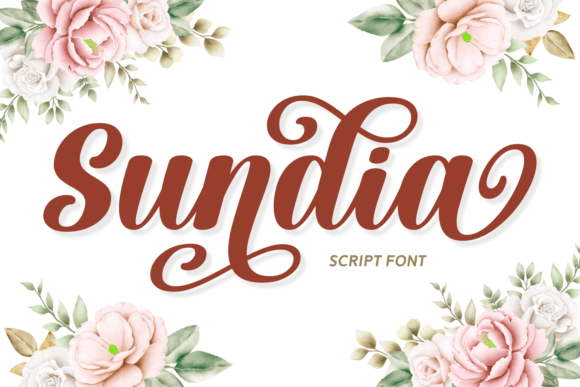
When building a digital experience that requires warmth, sophistication, and a distinct human touch, selecting the right typography is often the defining factor between a generic template and a memorable brand identity. Sundia is a beautifully crafted script font that brings bold, flowing letterforms and elegant swashes to the screen. For web designers and UI creators, this typeface offers more than just decoration; it provides a strategic tool for establishing visual hierarchy and emotional connection in conversion-focused layouts. Unlike standard system fonts, Sundia carries a romantic and sophisticated personality that translates exceptionally well to wedding designs, luxury branding, invitations, and premium product showcases.
Digital Personality and Visual Hierarchy
In the context of modern web design, readability and scanning behavior are paramount. Sundia functions best as a display font rather than body copy. Its intricate details and connected strokes demand attention, making it ideal for guiding the user’s eye to specific focal points. When used in hero sections or primary headlines, Sundia creates an immediate sense of craftsmanship and exclusivity. This is particularly valuable for boutique online stores or coaching websites where trust and personal connection drive conversions. The bold weight of the letterforms ensures that even on high-resolution displays, the strokes remain crisp and legible, preventing the thin-line issues that plague many script fonts on digital screens.
The visual rhythm of Sundia allows designers to break up rigid grid structures. While sans serif fonts provide stability and structure for navigation and functional elements, introducing Sundia adds organic movement to the layout. This contrast is essential for keeping users engaged as they scroll through landing pages. By reserving this creative font for key moments—such as a value proposition, a testimonial highlight, or a limited-time offer banner—you create a dynamic pacing that mimics editorial design. This intentional use of typography signals to the user that the content is curated and premium, directly supporting brand authority and professionalism.
Strategic Applications Across Digital Touchpoints
Sundia’s versatility extends across various digital assets, but its application must be deliberate to maintain usability. Here are practical ways to integrate this typeface into web projects:
- Hero Headers: Use Sundia for the main H1 or subhead to establish an emotional tone immediately. Pair it with a clean geometric sans serif for the primary call-to-action button to ensure accessibility.
- Product Packaging and Labels: For e-commerce sites selling physical goods, using Sundia on digital mockups of packaging helps customers visualize the unboxing experience and reinforces brand consistency.
- Editorial and Blog Graphics: Enhance featured images or pull quotes with Sundia to give content marketing materials a magazine-quality aesthetic that encourages social sharing.
- Course Sales Pages: Utilize the font for section dividers or module titles to soften the sales pitch and make educational content feel more approachable and personalized.
- Social Media Templates: Create cohesive Instagram or Pinterest graphics where Sundia serves as the anchor text, ensuring your feed maintains a recognizable visual identity.
Optimizing Readability and Responsive Behavior
While Sundia is visually stunning, web designers must prioritize technical performance and accessibility. Script fonts can be challenging on mobile devices due to reduced screen real estate. When implementing Sundia in responsive layouts, consider increasing the font size significantly compared to desktop versions to preserve stroke clarity. Avoid using this handwritten font for navigation menus, footer links, or dense paragraphs, as the connected letterforms reduce reading speed at small sizes. Instead, reserve it for short phrases, logos, or decorative accents where legibility is not compromised by scale.
Contrast is another critical consideration for digital readability. Sundia performs beautifully against both light and dark backgrounds, provided there is sufficient color contrast ratio to meet WCAG standards. On dark mode interfaces, the elegant swashes can create a luxurious glow effect, but ensure the background does not vibrate against the text color. When overlaying Sundia on photography or video backgrounds, always apply a subtle gradient or scrim behind the text area. This guarantees that the intricate details of the typeface remain visible regardless of the underlying image complexity, maintaining both aesthetic appeal and functional clarity.
Effective Font Pairing Strategies
A successful typographic system relies on balance. Because Sundia is highly ornamental, it requires a supportive partner that grounds the design without competing for attention. For most web projects, pairing Sundia with a neutral sans serif font like Inter, DM Sans, or Montserrat creates a modern, accessible foundation. The simplicity of the body text allows the script header to shine while ensuring long-form content remains easy to digest. This combination is particularly effective for SaaS founders or service providers who need to blend creativity with corporate reliability.
Alternatively, for brands aiming for a classic, editorial, or heritage feel, pairing Sundia with a refined serif font such as Playfair Display or Lora can enhance the romantic narrative. This combination works exceptionally well for wedding planners, luxury hospitality, or artisanal food brands. In this configuration, use the serif for subheadings and introductory text, allowing Sundia to serve strictly as an expressive accent. Always test these pairings across multiple browsers and devices to ensure line heights and spacing interact harmoniously, preventing awkward overlaps or excessive whitespace that could disrupt the user journey.
Technical Assets and Commercial Licensing
Before deploying Sundia in a live environment, verify the technical specifications and licensing terms relevant to your project scope. As a premium font, checking the included file formats is essential; OTF and TTF files are standard for design software, but WOFF2 files are necessary for optimal web performance and faster load times. Review the character set to confirm multilingual support if your website targets international audiences, as missing glyphs can force browsers to substitute mismatched system fonts, breaking the visual consistency.
Licensing is equally important for professional integrity and legal compliance. Ensure your license covers all intended uses, including web embedding via @font-face, digital ads, and client deliverables. Some licenses differentiate between personal use, commercial web use, and app embedding. If you are designing templates for sale or creating brand kits for multiple clients, verify whether an extended or multi-user license is required. Proper licensing not only protects you and your clients but also supports the type designer, ensuring the continued development of high-quality design assets. By respecting these technical and legal foundations, you ensure that Sundia remains a reliable, high-performance asset in your digital typography toolkit.